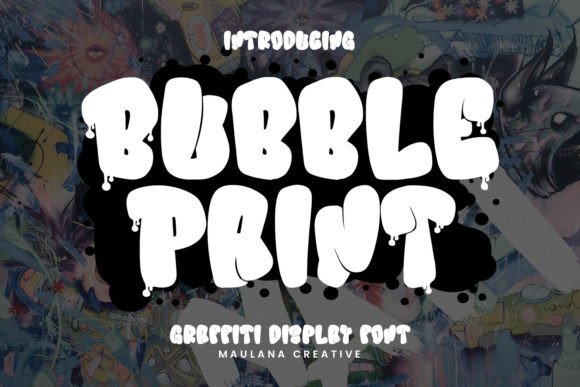
Bubble Paint: A Fun Graffiti Display Font for Bold Branding
I remember staring at my laptop screen, frustrated by the generic templates on my design software. I was preparing new packaging labels for my handmade soy candle line, and everything looked too sterile. The clean, corporate fonts felt cold against the warm, earthy tones of my amber jars. I needed something that screamed creativity but still looked professional enough to sit on a shelf next to big-box brands. That’s when I stumbled upon Bubble Paint graffiti display font. It wasn’t just another decorative typeface; it was the missing piece of visual identity I didn’t know I needed.
If you are a small business owner, entrepreneur, or creative seller looking to inject personality into your brand without sacrificing polish, this review is for you. After testing Bubble Paint across various business materials—from Instagram story highlights to printed thank-you cards—I found it to be a versatile tool that bridges the gap between playful art and commercial viability. Here is how this Decorative font can transform your brand identity.
Bubble Paint for Product Packaging and Label Design
When it comes to Fonts that grab attention on a crowded shelf, few styles compete with the bold stroke and fun character of Bubble Paint. I used this typeface for the front label of a limited-edition skincare serum, and the difference in perceived value was immediate. The font’s inherent "bubble" structure creates a sense of softness and approachability, which is perfect for beauty and wellness brands that want to feel friendly rather than clinical.
The key here is usage. Because Bubble Paint is a display font, it demands space. I avoided using it for ingredient lists or fine print. Instead, I reserved it for the product name and key selling points like "Organic" or "Handmade." The ligatures included in the font file helped smooth out awkward letter combinations, giving the text a custom, hand-drawn look that feels expensive. For small businesses, this means you don’t need to hire a calligrapher to get a unique logo treatment; you just need to type it correctly. The multilingual support also meant I could create special edition labels for international markets without worrying about missing characters, ensuring a consistent global brand image.
Bubble Paint for Social Media Graphics and Digital Ads
In the fast-scrolling world of social media, your graphics have less than a second to hook a viewer. Standard sans serif fonts often blend into the background noise. By switching to Bubble Paint for my Instagram promotional banners, I saw an immediate uptick in engagement. The bold strokes ensure readability even on small mobile screens, while the graffiti-inspired aesthetic signals to the audience that your brand is modern, trendy, and unafraid to stand out.
I paired the main headline in Bubble Paint with a clean, minimalist sans serif font for the call-to-action button. This technique, known as font pairing, balances the visual weight of the display text with the functional clarity of body copy. When designing flyers or digital ads, use Bubble Paint for short phrases only. The alternates provided in the font family allowed me to tweak specific letters to fit different aspect ratios, making the text flow naturally around images of my products. It gave my digital presence a cohesive, editorial design feel that looked intentional rather than accidental.
Bubble Paint for Event Menus and Hospitality Branding
For café owners or event planners, atmosphere is everything. Typography sets the mood before a single word is read. I tested Bubble Paint on a sample menu for a pop-up coffee shop, and it instantly created a vibrant, energetic vibe. The graffiti style evokes street art culture, which works beautifully for urban-themed venues, youth-oriented cafes, or creative workshops.
However, readability is crucial in hospitality. While Bubble Paint is fantastic for section headers like "Breakfast," "Drinks," or "Specials," it should not be used for detailed descriptions where customers need to focus. I kept the menu items and prices in a simple, legible font to guide the eye. This strategic use of typography ensures that customers aren’t overwhelmed by the decorative elements. The font’s ability to handle multiple weights and styles (when available in your specific download) allows for hierarchy within the design, guiding the customer’s journey through your offerings effortlessly.
Bubble Paint for Business Cards and Stationery
Your business card is often the first physical touchpoint a client has with your brand. Using a standard template can make your card end up in the trash. By incorporating Bubble Paint, you signal creativity and attention to detail. I designed a set of thank-you cards for my online boutique using this font for the header message. The result was a tactile experience that felt personal and curated.
When printing with Bubble Paint, consider the color palette. The bold strokes hold ink well, but if you are printing on textured paper, ensure the resolution is high to maintain the crisp edges of the bubbles. This font works exceptionally well in monochrome prints, where the shape of the letters becomes the primary design element. It adds a layer of sophistication to stationery because it shows you understand how to use a creative font responsibly—using it as an accent rather than a crutch.
Bubble Paint for Logo Design and Brand Identity
Building a memorable brand identity requires a logo that is both distinctive and scalable. Bubble Paint offers a unique starting point for logo design, particularly for brands in the craft, art, or lifestyle sectors. The graffiti display nature of the font suggests movement and energy, which can be very appealing for dynamic brands. I experimented with using parts of the word "Bubble" to create a custom mark for a children’s party planning service.
Because the font includes alternates, you can mix and match characters to create a truly one-of-a-kind logotype. This level of customization helps avoid the "cookie-cutter" look that plagues many small businesses. However, always test your logo in black and white and at very small sizes to ensure the bubble shapes remain distinct. If the details get lost, simplify the design. This font is best suited for headlines and short phrases, so use it to anchor your brand voice while relying on simpler Fonts for supporting text.
Practical Tips for Using Bubble Paint in Your Business
- Check Licensing: Before using Bubble Paint on merchandise, packaging, or client work, verify the commercial font licensing terms. Some decorative fonts require specific licenses for print-on-demand or resale.
- Leverage Ligatures: Always enable ligatures in your design software. They connect letters smoothly, enhancing the graffiti aesthetic and preventing awkward gaps.
- Pair Wisely: Combine Bubble Paint with elegant serif fonts for a high-end contrast, or modern typography styles for a contemporary look. Avoid pairing it with other heavy display fonts.
- Test Readability: Print your designs at actual size. What looks good on a large monitor may be illegible on a tiny product tag.
In conclusion, Bubble Paint is more than just a fun typeface; it is a strategic asset for any business looking to elevate its visual communication. Its bold stroke and character-driven design allow for endless creative work, helping you build a brand that is recognized, trusted, and loved. Whether you are updating your online shop banner or redesigning your entire product line, this Decorative font provides the polish and personality needed to succeed in today’s competitive market.